June 11, 2026
10:30AM - 5:00PM Eastern Time
Virtual One-day ASAM Criteria: Fourth Edition Adolescent and Transition-Aged Youth Criteria, The Pillars

About the event
Our new training equips participants with the foundational knowledge and practical skills needed to confidently make level of care decisions and support initial treatment plan focus for adolescents and transitional age youth.
This highly interactive session focuses on:
● The Guiding Principles of the ASAM Criteria targeted toward ATAY
● Reviewing the expectations for integrated co-occurring care, medically-integrated care and medically focused care
● Describing the purpose and ATAY considerations for the Level of Care Assessment and Treatment Planning Assessment
● Developing knowledge of the dimensions and subdimension in relation to ATAY
● Understanding Dimension 6, “Person-Centered Considerations” from a patient and family focus
● Understanding how the decimal system defines types and intensity of care via adolescent case study practice, identify Dimensional Drivers and apply Dimensional Admission Criteria/Risk Ratings and Level of Care Decision Rules
● Identify key aspects of Continued Stay and Transition Criteria.
● THE ASAM CRITERIA 4TH EDITION Volume 2: Adolescent Transition-Aged Youth Criteria, hard copy or e-book is required for THIS training.
About the trainer
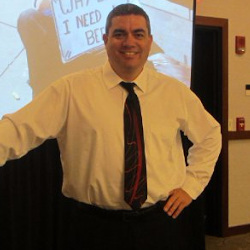
Glenn Duncan has been working in the behavioral healthcare field for 25 years. He has lectured nationally on many topics including the Diagnostic and Statistical Manual of Mental Disorders, clinical supervision, emerging drugs of abuse and the ASAM Criteria. Glenn is a Licensed Professional Counselor, a Licensed Clinical Alcohol/Drug Counselor, a Certified Clinical Supervisor, and an Approved Clinical Supervisor. Glenn has a Master’s in Clinical Psychology from Western Carolina University. Since 2003, Glenn has served as the Executive Director at Hunterdon Drug Awareness Program, Inc. in Flemington, NJ. Since 1999, Glenn has also specialized in, and has developed a lecture series on clinical supervision. He is a leading lecturer for both addictions and mental health professionals and trains nationally on issues regarding clinical supervision. Glenn authored a chapter on the use of live supervision in a community treatment organization for the book entitled “The Use of Technology in Clinical Supervision and Training: Mental Health Applications,” published in 2016.
